
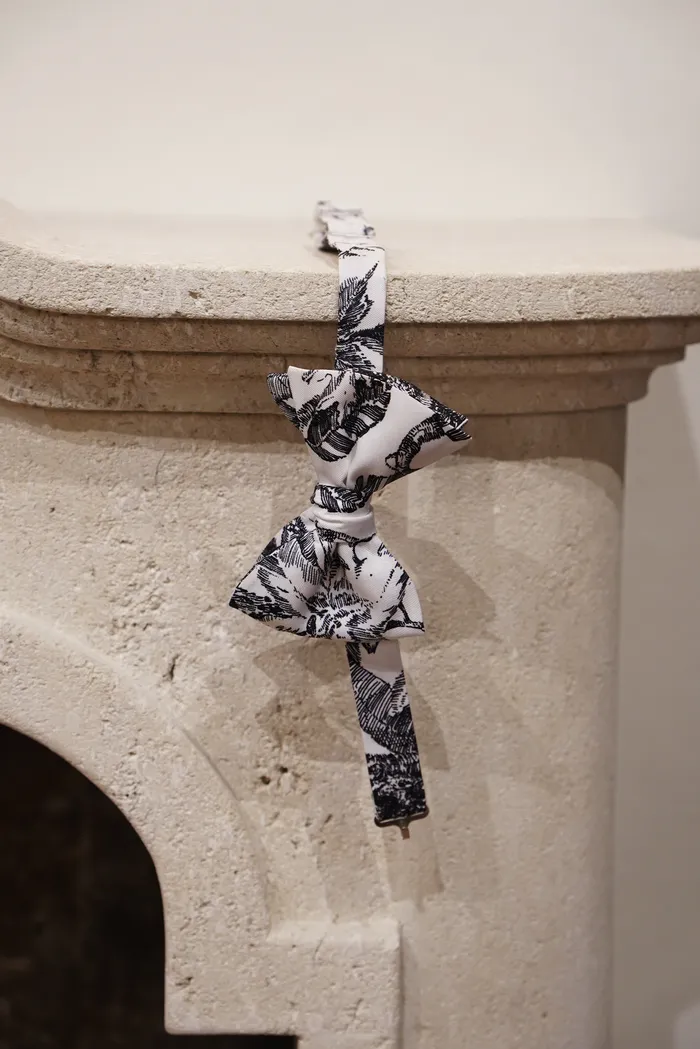
Tie width is one of the most often overlooked details, yet it decides whether the whole look feels harmonious. A well-chosen tie does not dominate the outfit — it works with jacket lapels, shirt collar and body proportions.
Jacket lapels as a reference point
The simplest rule: tie width should be close to lapel width. With narrow lapels and a modern jacket cut, a narrower tie works better. With classic, wider lapels — a slightly wider tie looks more natural and proportional.
Body shape and height
People with a finer build usually look better in narrower ties that do not overwhelm the upper body. With broader shoulders and a larger frame, a very narrow tie can look like a small accessory that “disappears” against the jacket. It is not about rigid rules, but about a sense of balance.
Shirt and collar
Shirt collar also matters. A tall, spread collar pairs well with a slightly wider tie. A slim, narrow collar looks better with a narrower tie. When these elements align, the neck and wardrobe line feel coherent and considered.
A practical cheat sheet
- 6–7 cm — a good choice for modern jackets and narrower lapels.
- 7.5–8.5 cm — a universal width for most business suits.
- 9 cm and more — a more classic style, often seen with wider lapels.
Pattern and width
On a narrower tie, large, high-contrast patterns can look too intense. On a wider one — a fine, dense pattern sometimes blurs and loses clarity. So choose pattern not only for the occasion, but also for the scale of the accessory itself.
A well-chosen tie is not noticed “immediately”. It is simply felt in the whole silhouette.
Summary
Before buying, look in the mirror at the whole look: lapel, collar, body proportions. Tie width seems small, but it makes a huge difference in how the entire outfit is perceived.